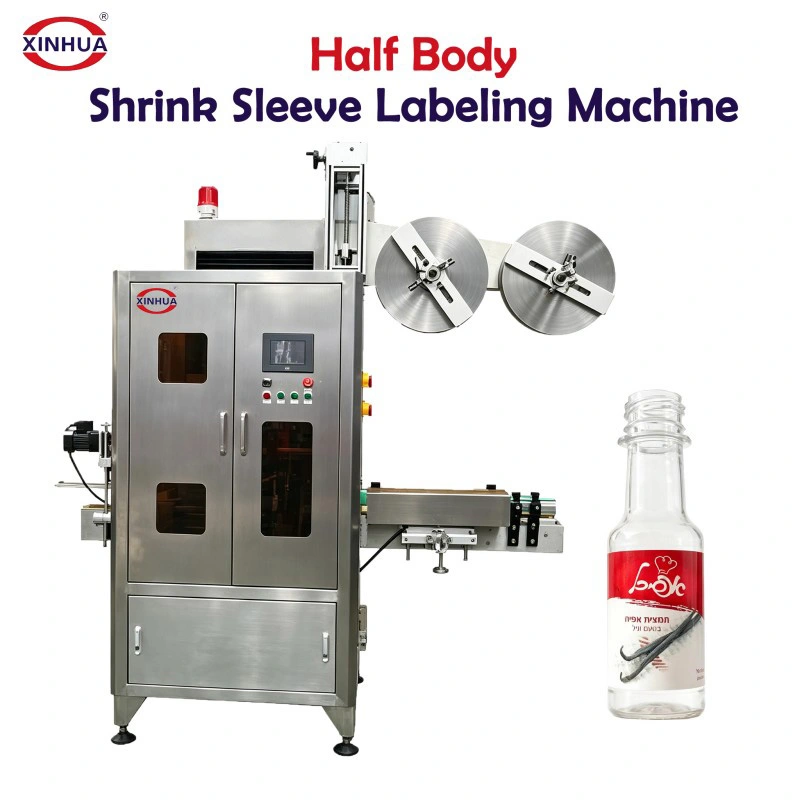
When a product requires 360-degree decorative graphics or tamper-evident functionality, traditional pressure-sensitive labels fall short. Sleeve labeling machines offer a compelling alternative by using heat-shrinkable films to create a seamless, full-body packaging effect.
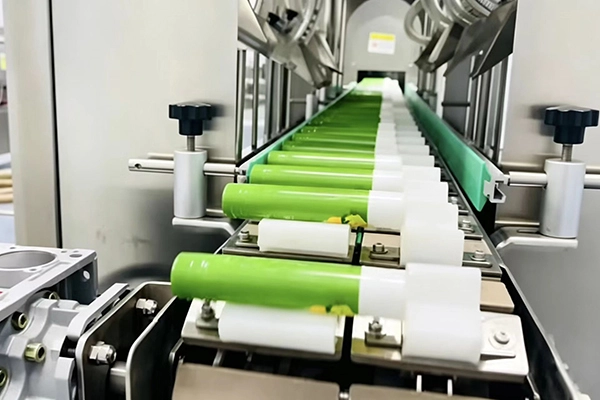
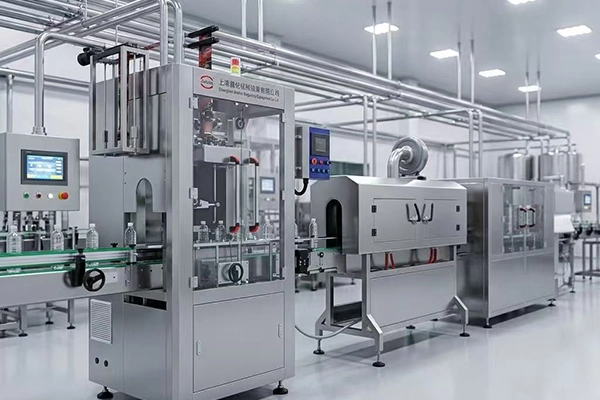
The process begins with a roll-fed film that is formed into a continuous tube via a forming mandrel. This sleeve is then cut to precise lengths by a high-speed rotary knife and slipped over the product container. The magic happens in the subsequent heat tunnel, where controlled hot air triggers the film's memory effect, causing it to shrink uniformly around the product's contours—whether that be a straight cylinder, a tapered bottle, or an irregularly shaped container.
Sleeve technology offers distinct advantages. First, it enables full-surface decoration with no label seams, allowing for vibrant, uninterrupted graphics. Second, the sleeve can be designed with perforated tear lines, providing easy-open features for consumer convenience. However, challenges such as film thickness variation, shrinkage ratio mismatches, and static electricity can affect application quality. Therefore, when selecting a sleeve labeling system, manufacturers should focus on the precision of the cutting mechanism and the temperature uniformity of the heat tunnel. Advanced systems now incorporate automatic film tension control and static eliminators to ensure stable operation at high speeds, making sleeve labeling a versatile solution for beverages, cosmetics, and household chemicals alike.
We use cookies to offer you a better browsing experience, analyze site traffic and personalize content. By using this site, you agree to our use of cookies. Privacy Policy