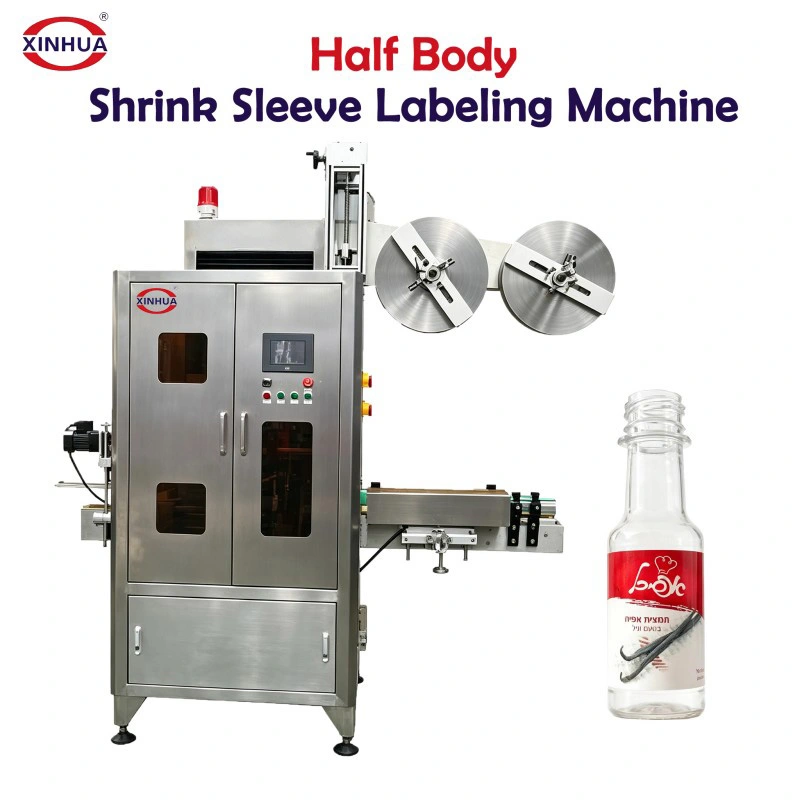
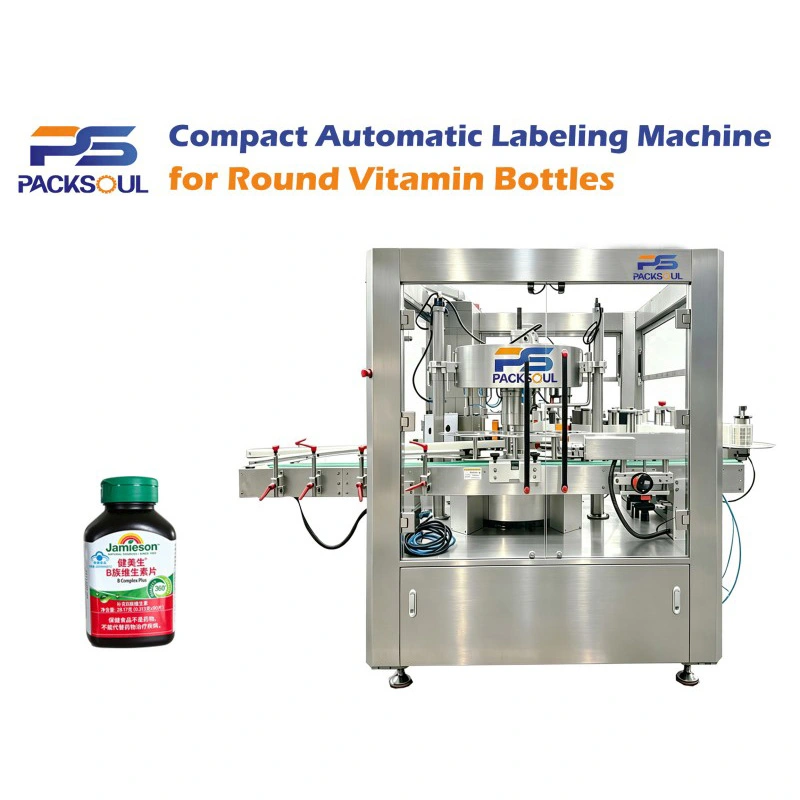
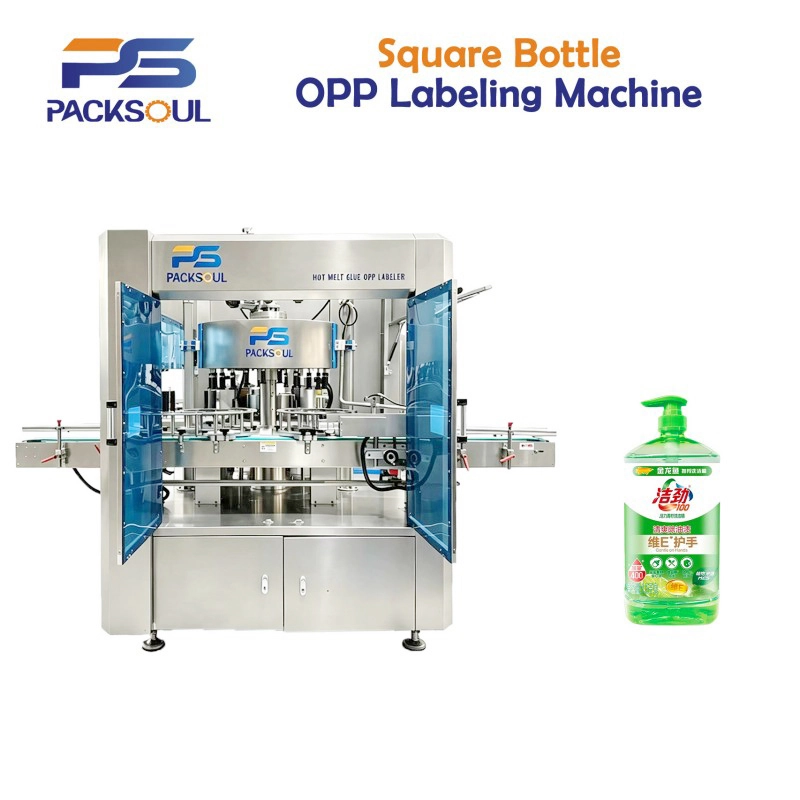
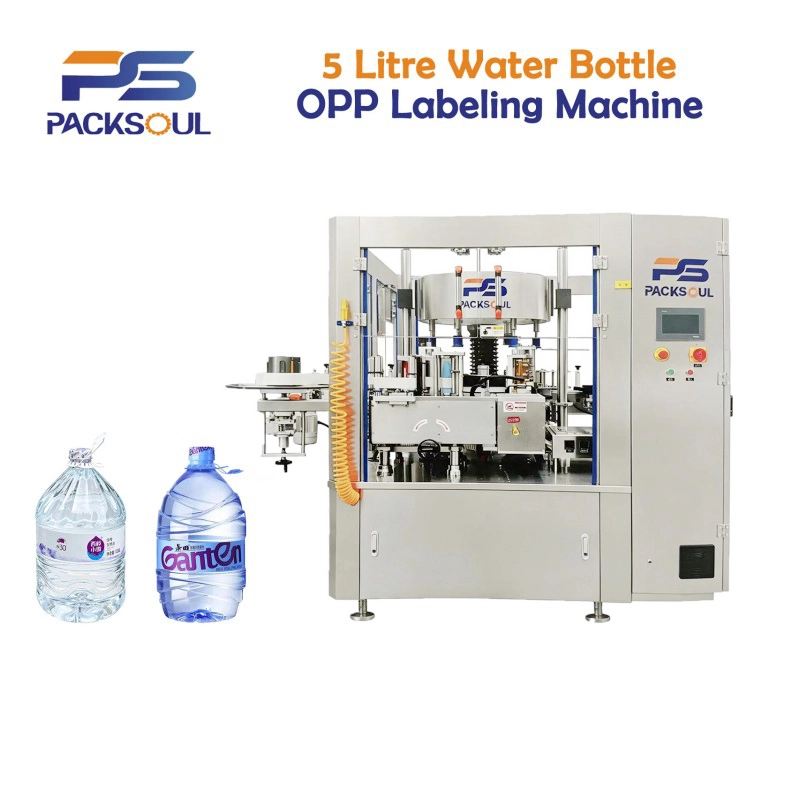
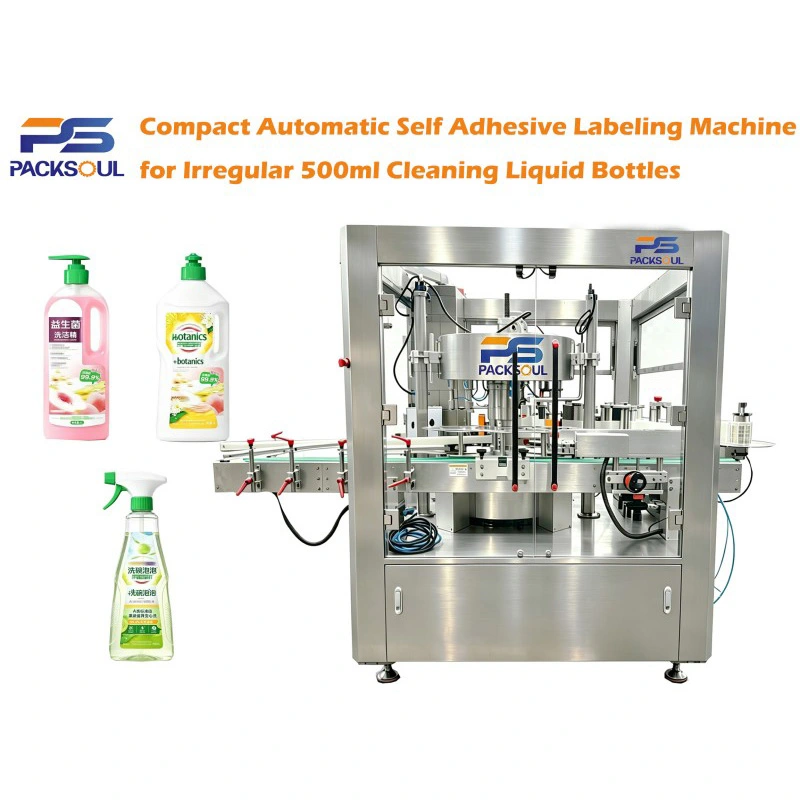
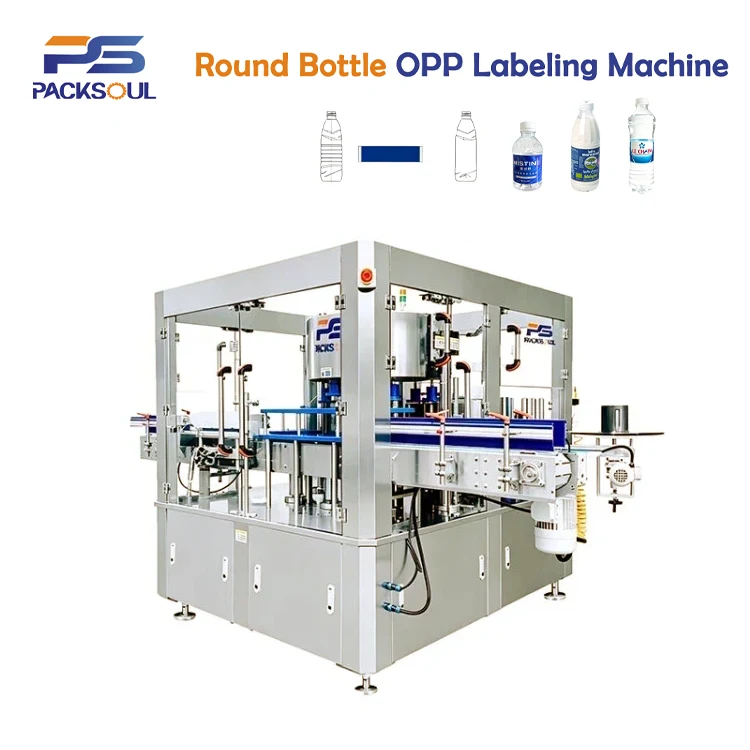
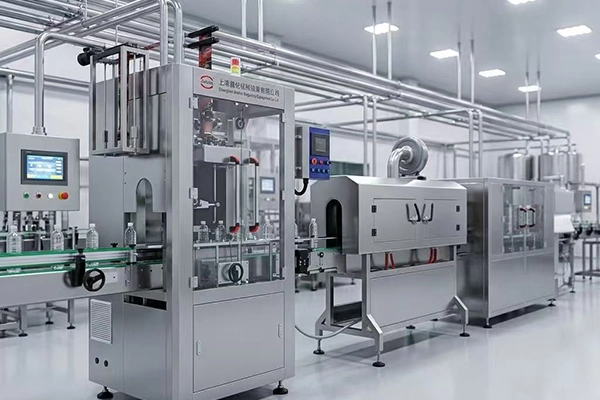
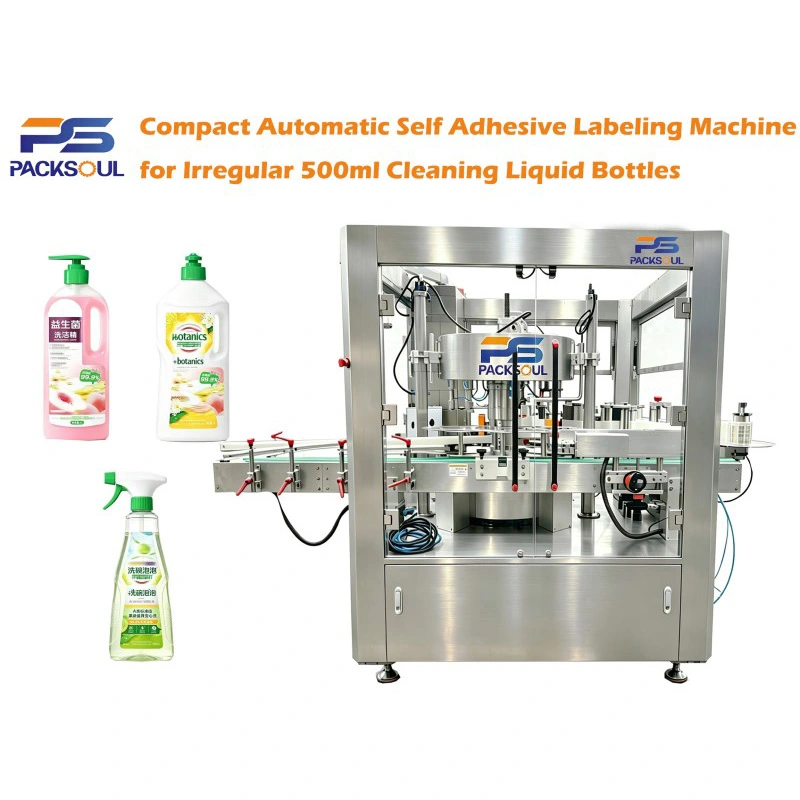
In the FMCG, food, and pharmaceutical industries, production line speed is often the lifeline of a business. When we talk about fully automatic labeling, we are not actually talking about the "sticking" action, but rather the precise interplay of "positioning" and "synchronization."
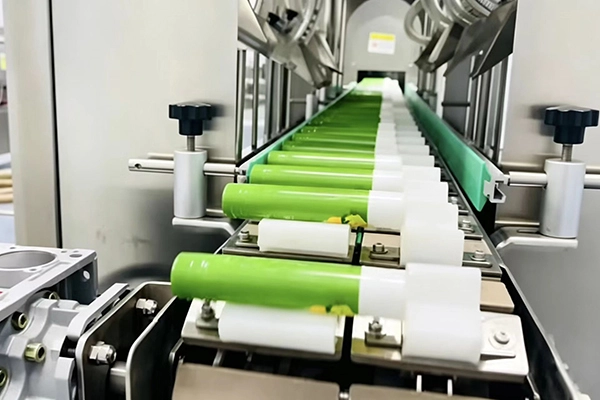
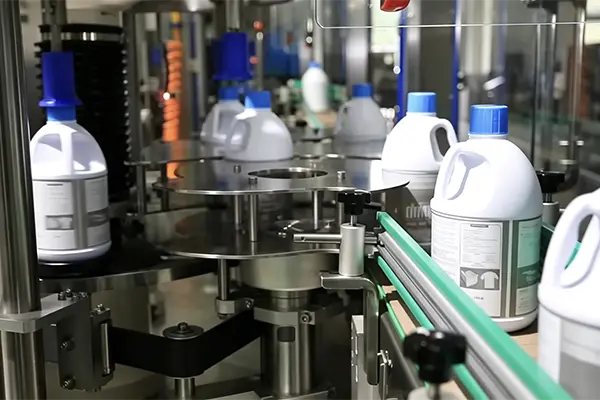
The core of a fully automatic labeling machine lies in its closed-loop control system. Through the coordination of high-sensitivity photoelectric sensors and encoders, it calculates in real time the remaining diameter of the label roll and the web feed speed. When a product passes through the product detection sensor, the system calculates the difference between the label dispensing speed and the conveyor speed within milliseconds, achieving "flight labeling"—meaning the product does not need to stop, and the label is precisely applied and wiped onto it.
To address common issues like "label wrinkling" or "positional deviation" on high-speed lines, modern equipment incorporates vision inspection units for secondary correction. This is not merely a replacement of mechanical arms, but an entry point for production datafication. When selecting such equipment, companies should pay close attention to the response frequency of the label head drive motor and the flexible buffer design of the applicator arm. High-rigidity structures ensure that under conditions of tens of thousands of bottles per hour, labeling accuracy remains within ±0.5mm. True automation means hiding complex mechanical logic behind the scenes, leaving only perfectly uniform arcs gliding down the production line.
We use cookies to offer you a better browsing experience, analyze site traffic and personalize content. By using this site, you agree to our use of cookies. Privacy Policy