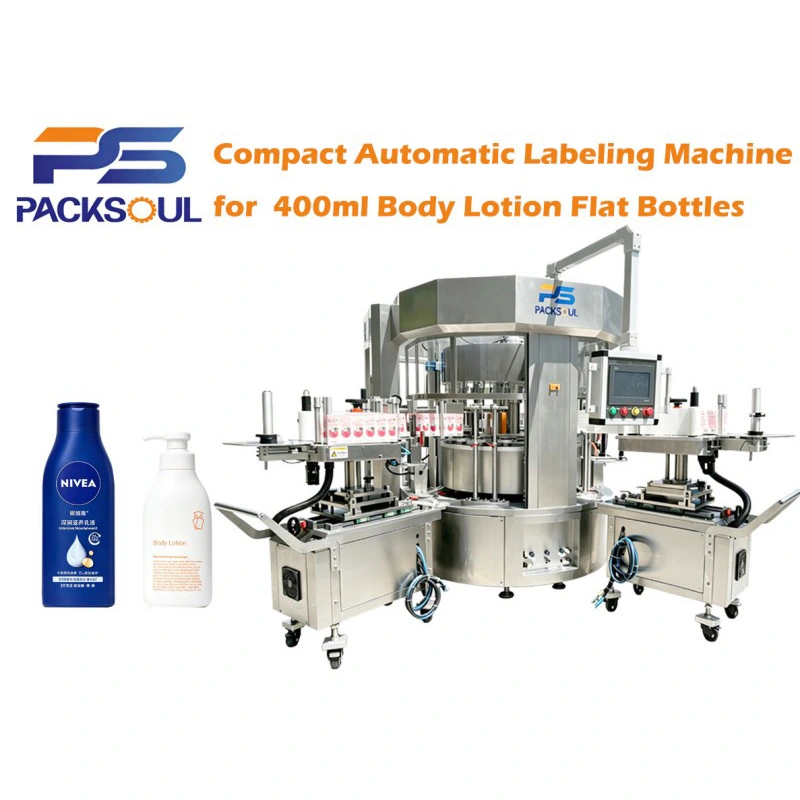
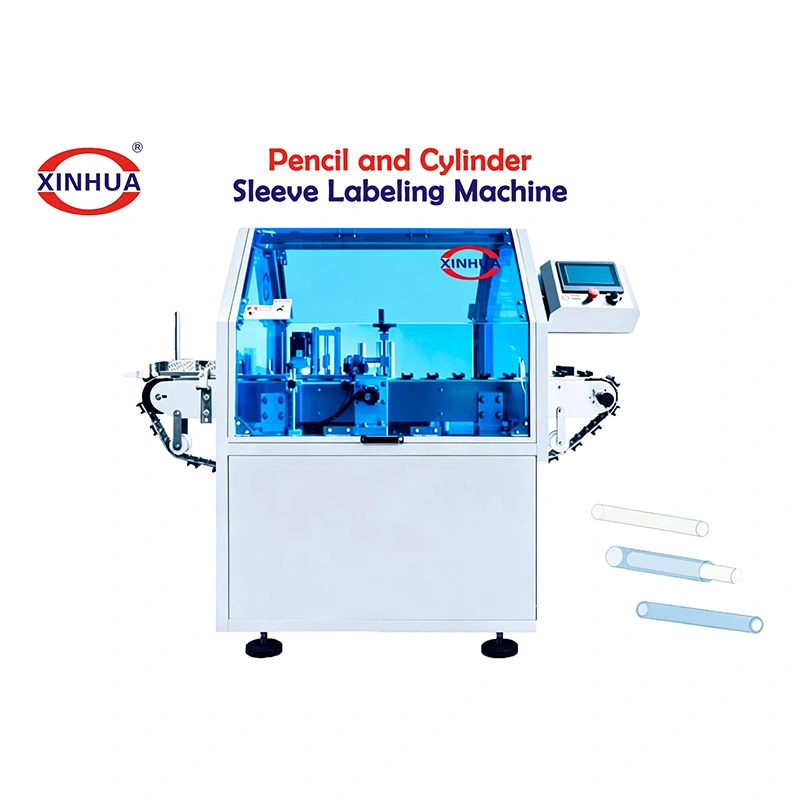
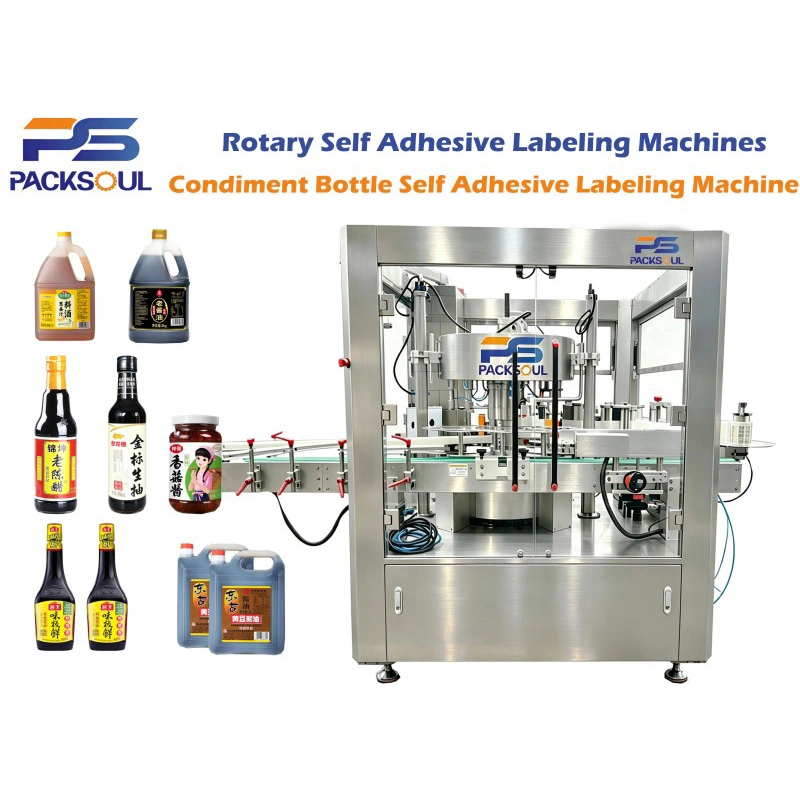
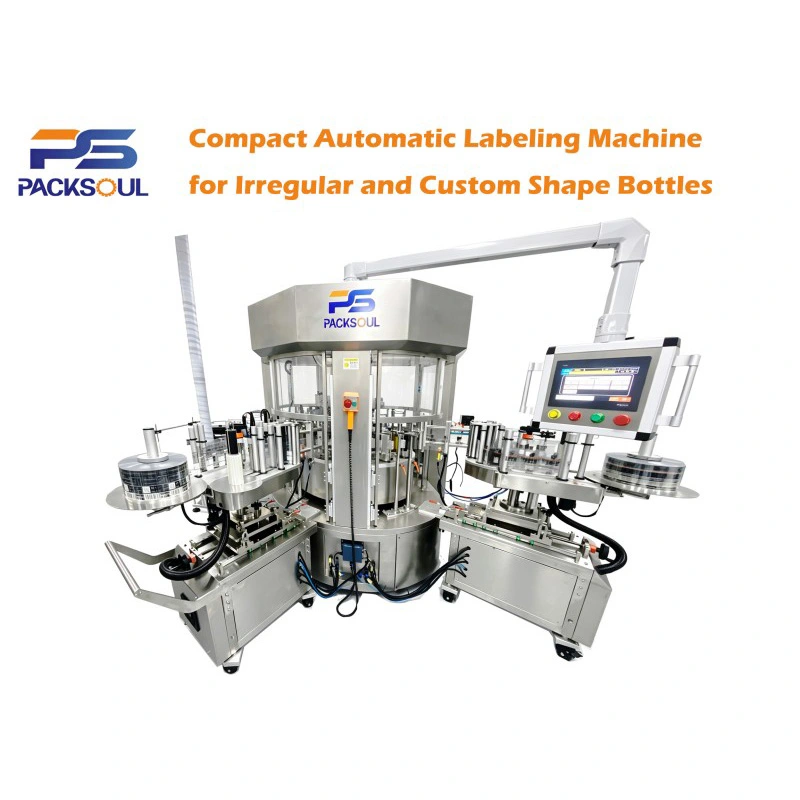
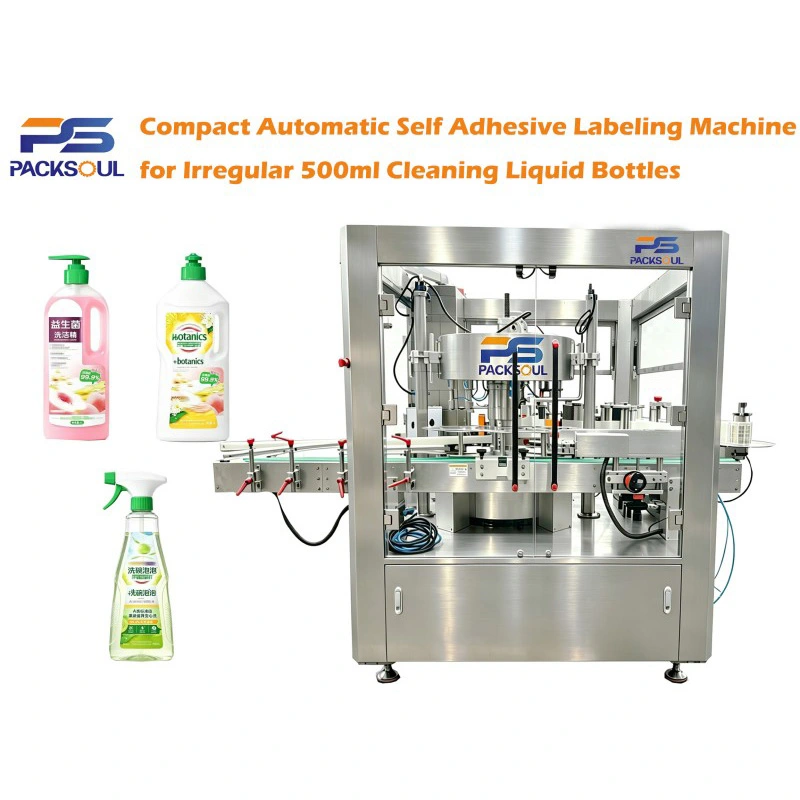
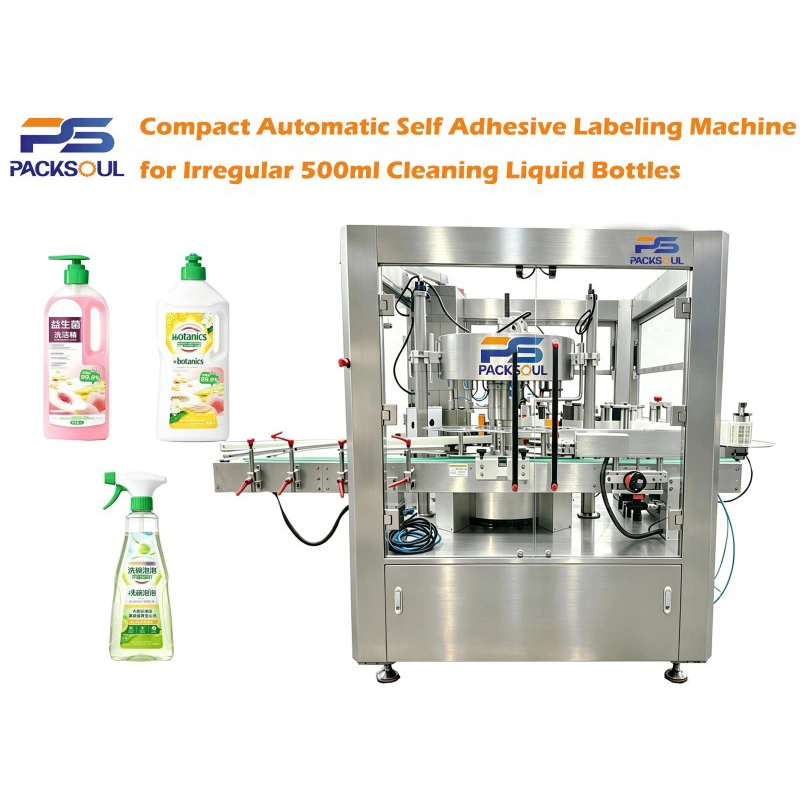
PackSoul, a specialized labeling equipment manufacturer in China, provides customized labeling solutions for brands that need consistent results on uniquely shaped containers. A Custom Shape Bottle Labeling Machine is designed to handle irregular contours, curved surfaces, recessed areas, and distinctive bottle profiles that conventional labeling equipment may struggle to process. By combining suitable bottle positioning, controlled label feeding, and application-specific adjustments, manufacturers can improve packaging consistency while maintaining the visual identity of their products.
A custom bottle labeling solution helps manufacturers apply labels to packaging that does not conform to standard round, square, or flat bottle designs. Key considerations include container geometry, label material, adhesive performance, positioning accuracy, production speed, and compatibility with existing equipment. PackSoul offers customized positioning solutions, servo constant-tension label application, sample testing, and optional integration with filling lines. Selecting equipment according to actual bottle and label samples helps businesses reduce labeling defects, simplify changeovers, and achieve a more reliable packaging process.
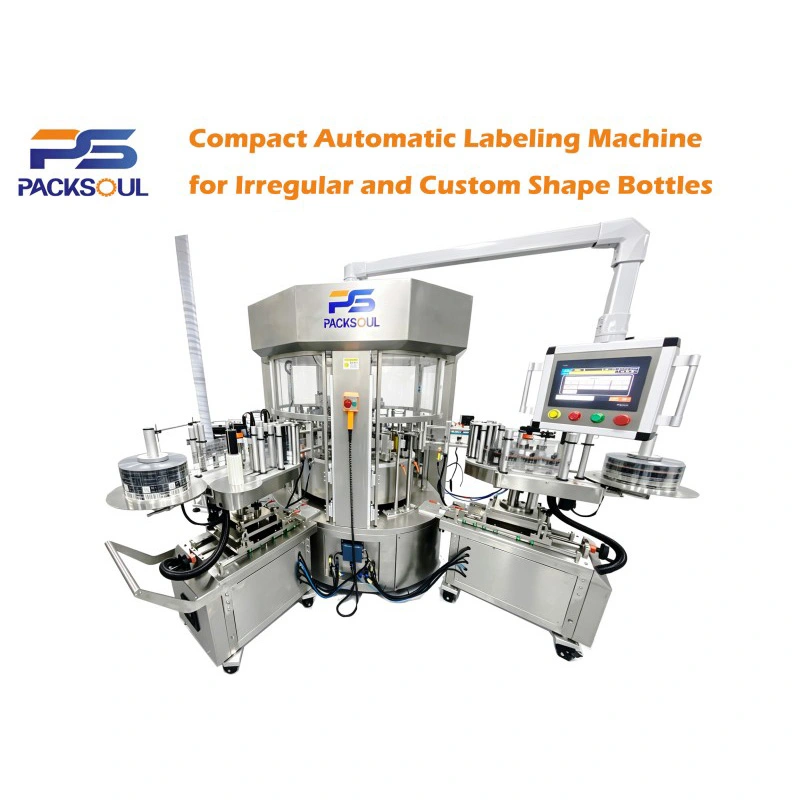
A Custom Shape Bottle Labeling Machine is an automated packaging system configured to apply labels to containers with distinctive geometries. Unlike standard cylindrical bottles, custom-shaped packaging may feature asymmetrical bodies, angled shoulders, curved panels, recessed surfaces, integrated handles, or decorative contours.
These designs help products stand out on retail shelves, but they also introduce mechanical challenges. The bottle must remain stable during transportation, and the label must reach the intended surface without excessive wrinkles, bubbles, or positional errors.
PackSoul develops customized solutions according to actual bottle dimensions, product samples, label specifications, and production requirements. Its custom-shaped bottle labeling equipment can incorporate dedicated positioning fixtures, adjustable labeling heads, and servo constant-tension control to suit the application.
For manufacturers with distinctive packaging, this approach makes it possible to retain a recognizable bottle design without relying entirely on manual labeling.
Explore PackSoul's irregular shape bottle labeling solutions to learn more about equipment configurations for non-standard containers.
Irregular bottle geometry affects how a container moves through the labeling station and how a label contacts its surface. A machine designed for a conventional round bottle may not provide sufficient control when handling a container with multiple curves, uneven shoulders, or an offset center of gravity.
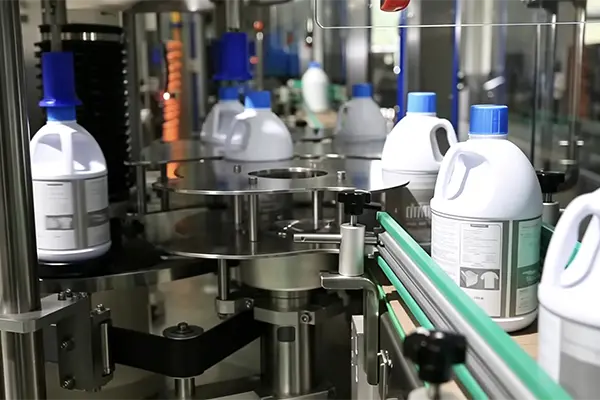
Special-shaped bottles may rotate, tilt, or shift as they move along the conveyor. Even a small change in orientation can place the label outside the intended area. Dedicated guides, clamping mechanisms, or customized molds help keep the container correctly positioned during application.
Curved and recessed surfaces can make it difficult for labels to adhere uniformly. If the label material, adhesive, or application angle is unsuitable, the finished package may develop wrinkles, trapped air, or lifted edges.
A brand may require front-only labeling, front-and-back labeling, or a label aligned with a particular design feature. Each requirement affects the positioning method and the adjustment range needed for the labeling head.
Contract manufacturers and multi-product factories often process several bottle designs. Without suitable adjustment mechanisms or interchangeable fixtures, changing products can increase setup time and create avoidable production interruptions.
The practical solution is to configure the conveying, positioning, label feeding, and pressing systems around the actual packaging design rather than treating bottle shape as a minor adjustment.
A custom bottle labeling system typically combines several coordinated operations. The exact configuration depends on bottle geometry, label type, required output, and the degree of automation needed.
For complex bottle designs, the process may require customized positioning molds or application-specific mechanical adjustments. Optional vision inspection can also be considered when bottle orientation or label placement must meet more demanding requirements.
Before confirming a machine configuration, manufacturers should conduct sample testing to verify the labeling position, label adhesion, and overall appearance under representative operating conditions.
Choosing equipment based only on its advertised speed can overlook the factors that determine real-world labeling quality. The following features deserve particular attention when evaluating a custom bottle labeling machine.
Positioning components should correspond to the bottle's length, width, height, shoulder profile, and center of gravity. For difficult shapes, dedicated fixtures or molds can improve stability and repeatability.
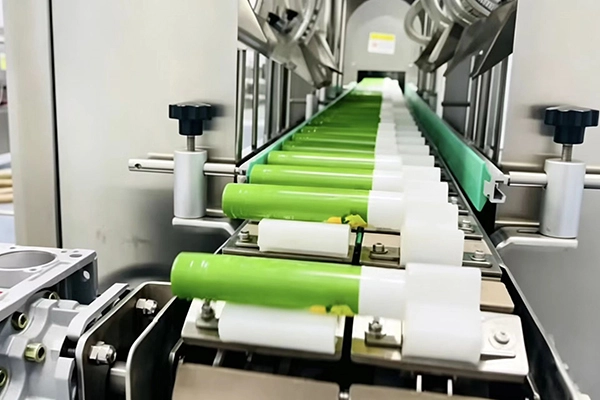
Stable label feeding helps reduce inconsistent application and label displacement. PackSoul's custom-shaped labeling solution uses a servo constant-tension system intended to help minimize bubbles, lifted edges, and label shifting.
Adjustable height, angle, and front-to-back position make it easier to accommodate different label locations and container dimensions. The available adjustment range should be verified against the customer's actual products.
PackSoul specifies 304 stainless steel construction for its custom-shaped bottle labeling machine. This material is widely used in industrial equipment because of its corrosion resistance and suitability for routine cleaning, subject to the operating environment and maintenance practices.
The machine can be configured for standalone operation or integration with filling and other packaging equipment. A suitable interface and conveyor arrangement help maintain a coordinated workflow across the production line.
For additional equipment options, visit PackSoul's fully automatic labeling machines page.
Custom-shaped containers are used across industries where packaging appearance, product differentiation, and practical handling requirements influence bottle design.
The most suitable solution depends on the actual bottle and label combination. For example, a curved cosmetic bottle may require a different fixture and label pressing arrangement from a handled cleaning-liquid bottle. Sample testing helps determine whether the proposed configuration can achieve the required finish.
Standard bottle labeling machines are often effective for regular cylindrical, square, or flat containers. Custom equipment becomes more relevant when packaging geometry creates positioning or label-contact challenges.
| Evaluation Factor | Standard Labeling Machine | Custom Shape Bottle Labeling Machine |
|---|---|---|
| Container geometry | Regular round, square, or flat bottles | Irregular, asymmetrical, or specially contoured bottles |
| Positioning method | Standard guides and positioning components | Application-specific guides, fixtures, or molds |
| Label application | Configured for common surface profiles | Adjusted for the target surface and label location |
| Changeover | Generally straightforward for compatible standard sizes | Depends on fixture design, adjustments, and product variation |
| Initial setup | May use established standard configurations | May require sample testing and custom engineering |
| Best application | Stable production of conventional packaging | Packaging that needs specialized positioning or label application |
Neither solution is universally better. The correct choice depends on bottle geometry, production volume, changeover frequency, label specifications, and the cost of labeling defects. A standard machine may be sufficient for a relatively simple bottle, while a customized system can be more appropriate for packaging with unusual contours.
Before purchasing a custom bottle labeling machine, prepare the technical information that allows the supplier to assess the application accurately.
Whenever possible, provide actual bottles and label samples. Photographs and technical drawings are useful for preliminary evaluation, but physical testing can reveal handling and adhesion issues that are difficult to assess from images alone.
Discuss these requirements with PackSoul's labeling equipment team before confirming the final configuration.
A well-matched labeling system can support production efficiency in several ways. First, stable bottle positioning helps reduce repeated adjustments caused by inconsistent container orientation. Second, controlled label feeding and suitable pressing components can reduce the occurrence of common visual defects. Third, interchangeable fixtures and documented setup procedures can make repeat product changeovers easier to manage.
Integration also matters. If the labeling machine runs too slowly for the filling line, it may become a production bottleneck. If its conveyor speed and product transfer are poorly coordinated with upstream equipment, bottles may accumulate or arrive irregularly.
Manufacturers should therefore evaluate the entire packaging process rather than the labeler in isolation. Consider:
PackSoul offers customized configurations and sample testing for special-shaped containers, with standalone or filling-line integration options. Confirming these details before purchase helps manufacturers assess whether the proposed equipment fits their production goals.
Depending on the machine configuration, it can handle irregular plastic bottles, oval containers, special-shaped cosmetic bottles, curved personal-care packaging, and selected cleaning-liquid containers. Suitability depends on the actual dimensions, surface profile, material, and label requirements.
Yes. PackSoul can evaluate bottle samples, 3D dimensions, bottle drawings, and label specifications to determine suitable positioning components and machine adjustments. Customized fixtures or molds can be considered when standard positioning mechanisms are insufficient.
Appropriate bottle positioning, compatible label materials and adhesives, stable label feeding, and suitable pressing mechanisms all contribute to better results. PackSoul's servo constant-tension system is designed to help reduce bubbles, lifted edges, and label shifting. Actual performance should be verified through sample testing.
Yes. PackSoul's custom labeling solutions can be configured for standalone use or integration with filling lines. Conveyor height, transfer direction, production speed, and available installation space should be reviewed before the final design is confirmed.
Prepare bottle dimensions, container material, label size and material, labeling position, required production speed, and production-line layout. Bottle drawings, photographs, and physical samples can help the technical team evaluate the application more effectively.
Sample testing is strongly recommended for complex bottle shapes. It helps verify bottle stability, label placement, surface contact, and the finished appearance before the machine configuration is finalized.
If a standard machine can hold the bottle securely and apply the label consistently at the required speed, customization may not be necessary. If the bottle shifts, rotates, or causes recurring label defects because of its geometry, a customized positioning and application solution may be more appropriate.
Distinctive packaging can strengthen product recognition, but irregular bottle geometry requires careful attention to positioning, label feeding, surface contact, and production-line coordination. A properly configured Custom Shape Bottle Labeling Machine helps manufacturers address these challenges while supporting consistent packaging quality and repeatable operation.
PackSoul provides customized labeling equipment solutions based on bottle dimensions, label specifications, production speed, and integration requirements. By preparing accurate technical information and arranging sample testing where appropriate, manufacturers can make a more informed equipment investment and reduce the risk of unsuitable configurations.
Looking for a reliable labeling solution for your unique bottle design? Visit PackSoul's Custom Shape Bottle Labeling Machine page to review the product solution and discuss your application. Share your bottle drawings, label samples, target output, and production-line requirements, then contact us to request a customized recommendation and evaluate the right equipment for your packaging operation.