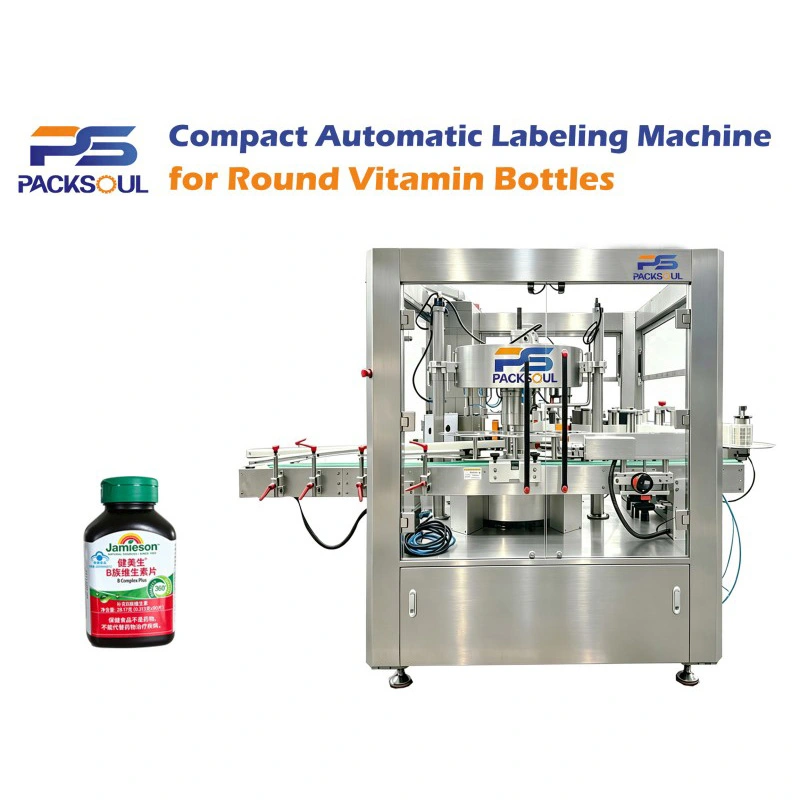
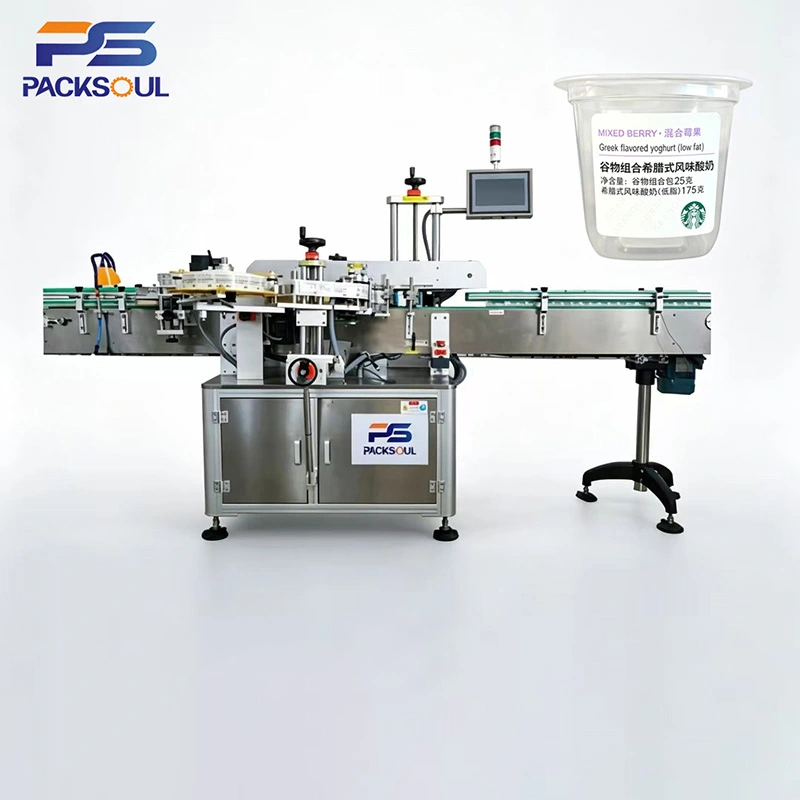
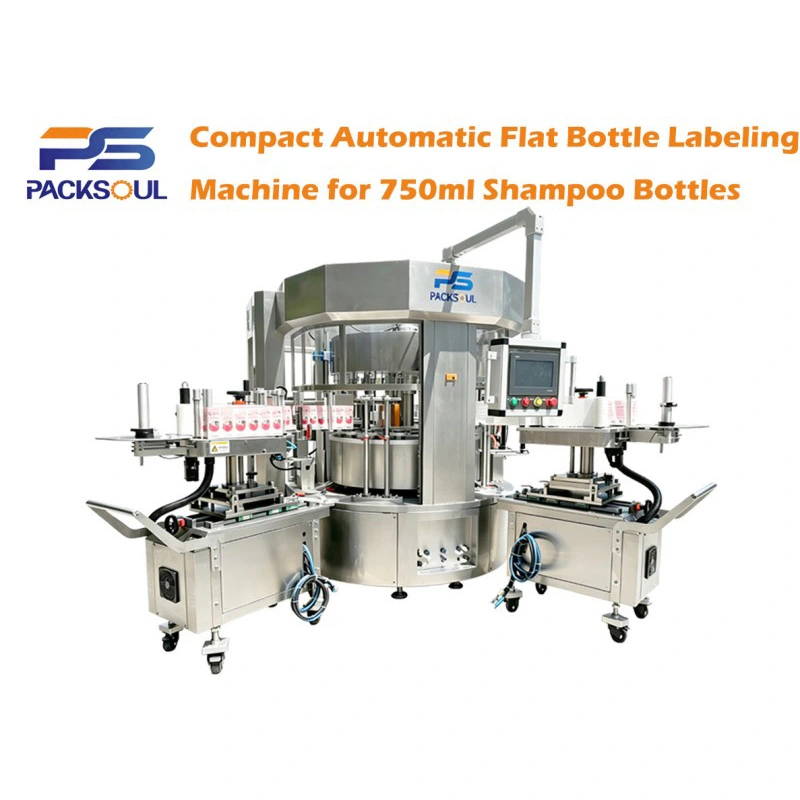
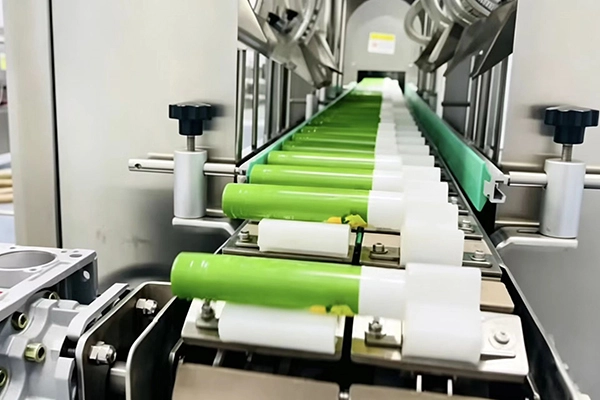
As children's personal care products continue to evolve, packaging quality has become an important factor in brand recognition and consumer confidence. PackSoul provides advanced Kids Shampoo Bottle Labeling Machine solutions designed to handle irregularly shaped shampoo and body wash containers with greater precision, consistency, and production efficiency. By combining servo-driven labeling technology, intelligent positioning, and flexible bottle handling, manufacturers can achieve professional labeling results while reducing manual operations and common packaging defects.
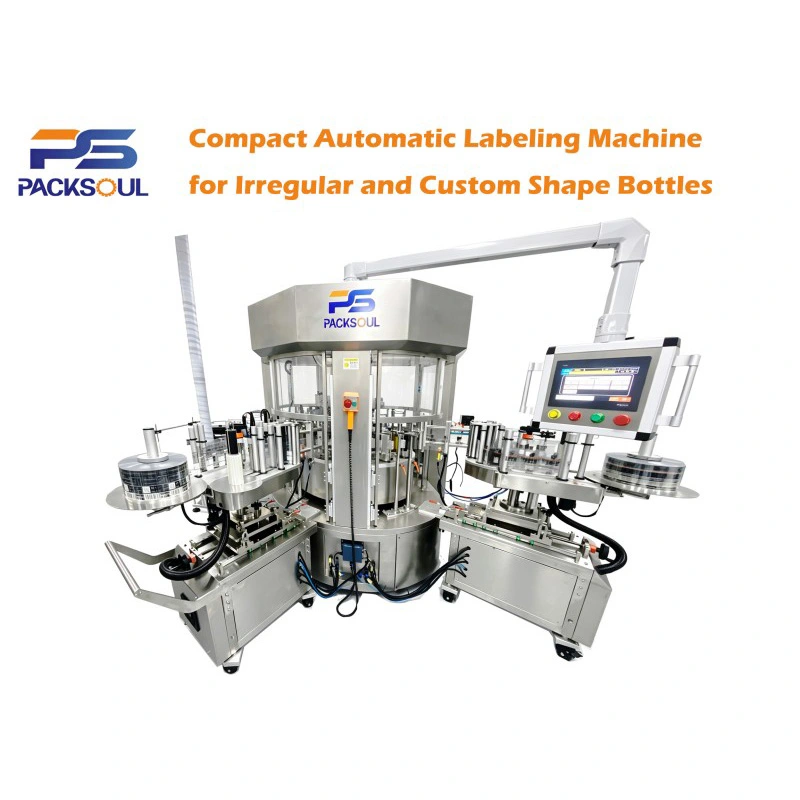
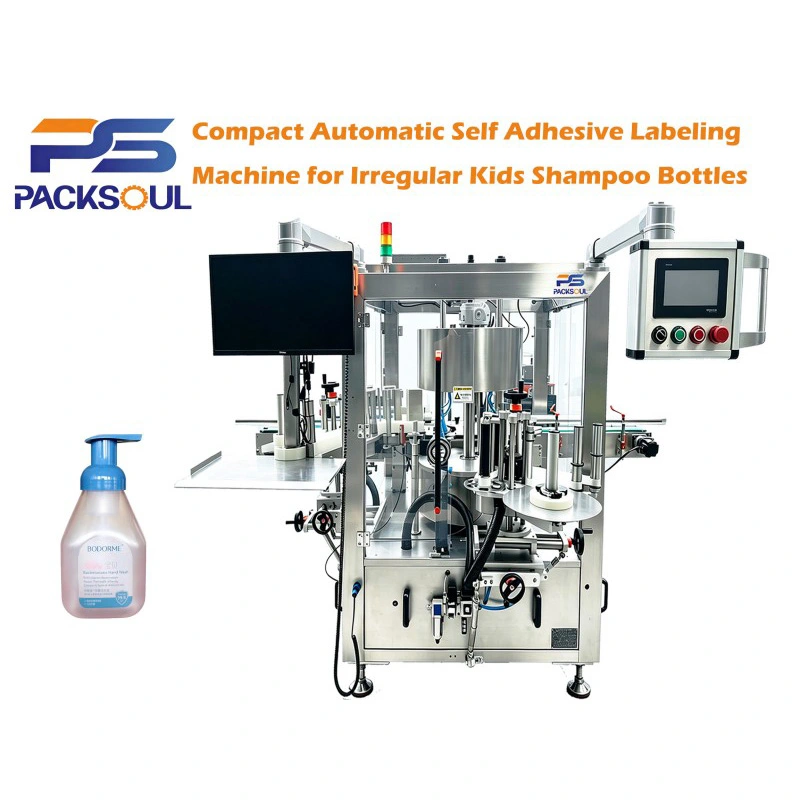
A Kids Shampoo Bottle Labeling Machine is designed to apply self-adhesive labels accurately to children's shampoo bottles, body wash containers, and other irregularly shaped plastic packaging. Unlike conventional labeling equipment intended for standard cylindrical bottles, specialized machines accommodate curved surfaces and unique bottle profiles.
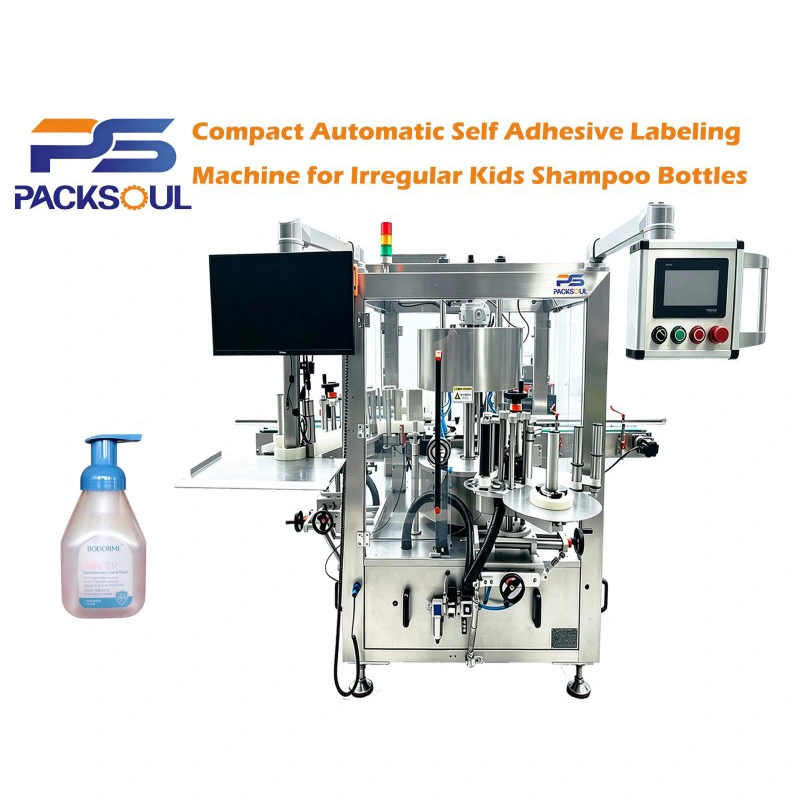
Children's shampoo and body wash products often feature distinctive packaging designs. Manufacturers use animal-shaped containers, curved bottles, cartoon-inspired profiles, and ergonomic structures to attract parents and children. Although these designs improve shelf appeal, they create additional challenges during automatic labeling.
Traditional labeling machines are generally optimized for regular cylindrical or flat-sided containers. When handling irregular bottles, manufacturers may encounter several common problems:
A specialized Kids Shampoo Bottle Labeling Machine addresses these challenges through coordinated bottle positioning, servo-controlled label feeding, and flexible pressure application. This allows manufacturers to maintain consistent packaging quality across different bottle designs.
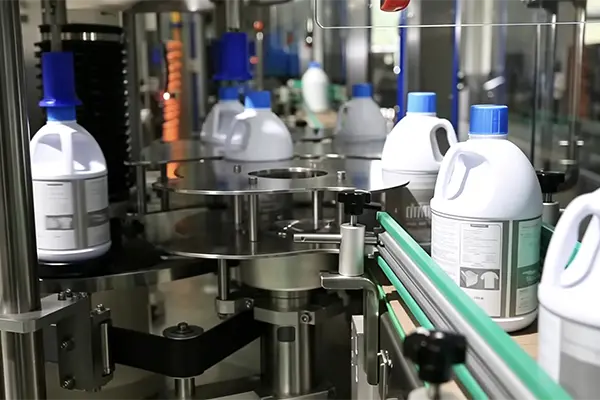
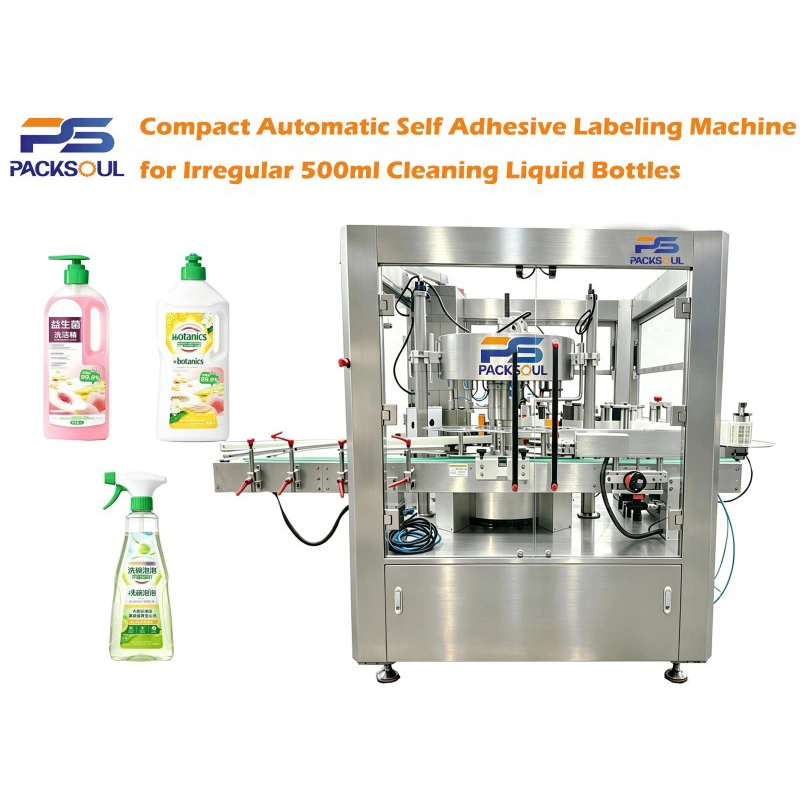
Modern automatic labeling equipment combines mechanical precision and intelligent control to handle complex packaging requirements. PackSoul's irregular-shaped bottle labeling solution incorporates several features designed for daily chemical and personal care manufacturers.
The servo constant-tension system maintains stable label feeding throughout the application process. Combined with synchronized pressure rollers, it helps labels follow curved bottle surfaces smoothly, reducing wrinkles, bubbles, and positioning deviations.
The rotary positioning system coordinates bottle transfer and labeling operations. A servo vision system identifies bottle shapes and reference points, allowing the equipment to adjust the bottle angle and improve label placement accuracy.
Irregular containers require appropriate support during transportation and labeling. The flexible bottle-holding mechanism helps stabilize different bottle profiles without applying excessive pressure, reducing the possibility of tipping, movement, and surface scratches.
The integrated PLC control system and human-machine interface provide convenient operation. Operators can adjust production parameters, monitor machine status, and receive fault alerts through the touchscreen panel.
The main machine frame uses 304 stainless steel, offering corrosion resistance and convenient cleaning. This construction is particularly suitable for daily chemical production environments where humidity and regular equipment cleaning are important considerations.
The machine can operate independently or connect with upstream and downstream equipment, including filling machines, capping machines, and coding systems. This flexibility allows manufacturers to develop a more integrated packaging process.
Understanding the working principle of a Kids Shampoo Bottle Labeling Machine helps manufacturers evaluate its suitability for different packaging requirements. PackSoul's rotary labeling solution uses coordinated mechanical positioning and servo control to complete the labeling process automatically.
The typical operating sequence includes the following stages:
By coordinating these operations, the machine minimizes manual intervention and supports consistent labeling performance for specially shaped children's personal care containers.
Production capacity, bottle dimensions, label size, and machine configuration are important considerations when selecting automatic labeling equipment. PackSoul offers 4-station and 6-station rotary adhesive sticker labeling configurations for different production requirements.
The following table summarizes the main technical specifications of the two available configurations.
| Technical Parameter | 4-Station Model | 6-Station Model |
|---|---|---|
| Model | PSR-B040 | PSR-B060 |
| Labeling Speed | 4,000 BPH | 6,000 BPH |
| Container Diameter | 30–100 mm | 30–100 mm |
| Container Height | 50–300 mm | 100–400 mm |
| Maximum Label Height | 200 mm | 200 mm |
| Maximum Label Width | 300 mm | 300 mm |
| Label Roll Inner Diameter | 76.2 mm | 76.2 mm |
| Label Roll Outer Diameter | 360 mm | 360 mm |
| Machine Dimensions | 2600 × 1900 × 1850 mm | 2600 × 1900 × 1850 mm |
| Working Table Height | 900 ± 50 mm | 900 ± 50 mm |
| Power Supply | 380V / 50Hz / 10KW | 380V / 50Hz / 10KW |
Note: BPH refers to bottles per hour. Container diameter can be customized when it exceeds the standard range. Working table height is also adjustable according to production requirements. The specifications should be confirmed against the actual bottle samples and machine configuration before ordering.
For manufacturers handling multiple bottle sizes, the 4-station and 6-station options provide different production capacities. The appropriate model should be selected according to actual output requirements, bottle dimensions, and future expansion plans.
Packaging automation is not simply about increasing operating speed. It also involves improving consistency, reducing avoidable defects, and making production processes easier to manage.
A properly configured Kids Shampoo Bottle Labeling Machine can deliver several operational advantages.
With available configurations rated at 4,000 or 6,000 bottles per hour, manufacturers can select a machine that better matches their production targets. Automatic feeding, positioning, labeling, and discharging reduce the need for repetitive manual handling.
Servo-controlled label feeding and coordinated bottle positioning help maintain consistent label placement. This is particularly important for children's personal care products, where packaging appearance contributes to brand recognition.
Flexible pressure rollers and profile-following application help reduce common problems such as wrinkles, air bubbles, and uneven label positioning. Better application consistency can also reduce unnecessary material waste and rework.
Automated handling reduces repetitive manual labeling tasks and allows operators to focus on production monitoring, material preparation, and quality inspection.
Adjustable parameters and customizable configurations make it easier to accommodate different bottle sizes and label specifications. This is useful for factories producing multiple children's shampoo and body wash product lines.
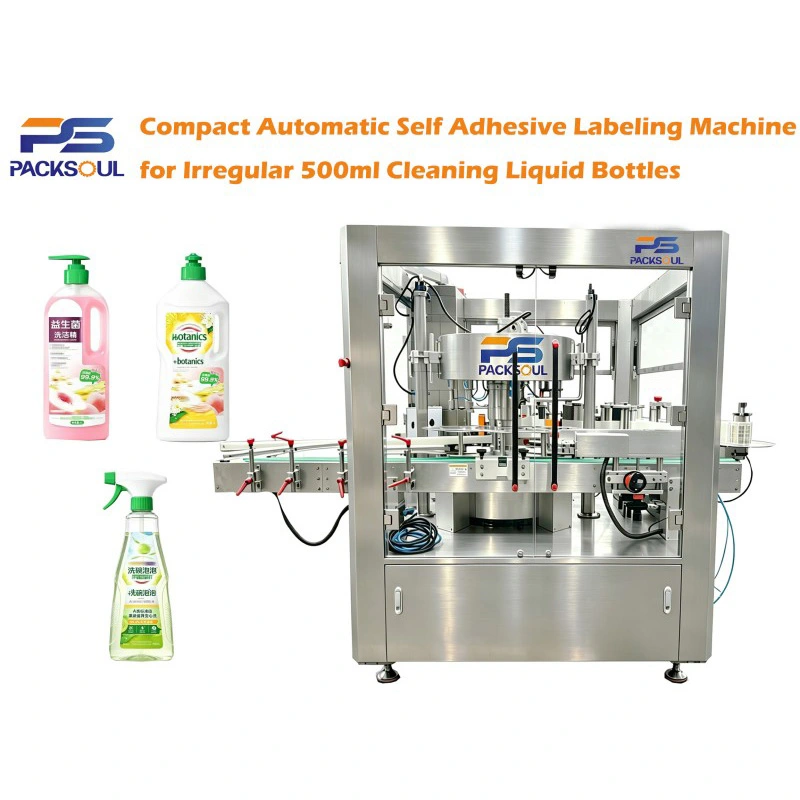
Although developed with children's shampoo packaging in mind, an irregular-shaped bottle labeling machine can serve a wider range of daily chemical and personal care applications.
Typical compatible products include:
These applications make the equipment suitable for small and medium-sized personal care manufacturers, new packaging projects, e-commerce product packaging operations, and factories upgrading their existing production workshops.
However, compatibility depends on the actual container geometry, label dimensions, material, and positioning requirements. Manufacturers should provide physical bottle samples or detailed drawings for a technical evaluation before confirming the machine configuration.
Selecting suitable labeling equipment requires more than comparing machine prices or advertised production speeds. Buyers should evaluate the complete relationship between bottle design, label specifications, production capacity, and factory conditions.
The following factors can help guide purchasing decisions.
Provide accurate bottle measurements, including diameter, height, curvature, and any special structural features. For irregular containers, physical samples are especially useful for evaluating holding stability and labeling performance.
Label material, adhesive characteristics, width, and height can influence application performance. Buyers should confirm that the selected labeling system is compatible with the intended self-adhesive label specifications.
Choose a machine configuration based on actual hourly production requirements. A higher-capacity model may be appropriate for large-volume operations, while a smaller configuration may offer sufficient capacity for developing production lines.
Evaluate the machine footprint, conveyor direction, operator access, and connections with existing equipment. The standard machine dimensions are 2600 × 1900 × 1850 mm, with customization options available for certain requirements.
If the factory plans to integrate filling, capping, coding, and packaging operations, confirm that the labeling machine can connect with the other equipment in the production line.
Before making a final purchasing decision, manufacturers should request sample testing. Testing actual bottles and labels provides a more reliable assessment of labeling quality than relying on specifications alone.
Regular maintenance helps maintain labeling accuracy, minimize unexpected downtime, and extend equipment service life. Although the machine uses durable components, daily inspection and preventive maintenance remain essential.
Recommended maintenance practices include:
Establishing a preventive maintenance schedule allows operators to identify potential issues early and maintain more stable production performance.
For international buyers, equipment quality, manufacturing standards, and after-sales support are important factors when choosing an automatic labeling machine supplier.
PackSoul focuses on the development and supply of labeling equipment for different container shapes and packaging applications. Its manufacturing and quality assurance procedures include several important measures.
PackSoul has exported labeling equipment to more than 30 countries, including Russia, Brazil, and Southeast Asian markets. Its services include customized machine solutions, sample testing, installation guidance, and technical support.
For buyers evaluating different suppliers, these quality control and service arrangements provide useful reference points when assessing the overall value of an equipment investment.
Yes. This type of machine is specifically designed for irregular and curved plastic containers. Its servo positioning system, flexible bottle-holding mechanism, and profile-following pressure rollers help apply labels to specially shaped bottles.
The servo constant-tension system maintains stable label feeding, while synchronized pressure rollers and flexible brushes help the label adhere smoothly to the bottle surface. These features help reduce trapped air, wrinkles, and positioning deviations.
PackSoul offers two standard configurations: the 4-station PSR-B040 model with a rated speed of 4,000 bottles per hour and the 6-station PSR-B060 model with a rated speed of 6,000 bottles per hour. Actual production performance depends on the bottle design and operating conditions.
Yes. Customization can be discussed according to bottle dimensions, label specifications, production capacity, and workshop layout. Buyers are encouraged to provide physical bottle samples and detailed packaging information for technical evaluation.
Yes. The equipment can operate independently or integrate with filling, capping, and coding machines. This allows manufacturers to establish a coordinated automatic packaging line.
For overseas customers, installation of a standalone machine usually takes approximately one day, followed by around 6–9 days of commissioning. The actual schedule depends on the installation site and production line configuration.
PackSoul provides a one-year warranty. Replacement parts and technical service are free for non-human-caused problems during the warranty period, excluding consumable parts. The company also provides Chinese and English installation manuals and online technical support.
A standard standalone machine generally requires approximately 30–60 days. Customized equipment and complete production lines may require additional time depending on the design and manufacturing requirements. The confirmed delivery schedule is agreed upon before ordering.
As children's personal care packaging becomes increasingly diverse, manufacturers need labeling equipment capable of handling more complex bottle shapes while maintaining consistent production quality. A specialized Kids Shampoo Bottle Labeling Machine provides an effective solution through servo-controlled label feeding, intelligent positioning, flexible bottle handling, and automatic production processes.
With 4-station and 6-station configurations, PackSoul offers labeling solutions designed for different production capacities and irregular bottle applications. Its customization options, sample testing procedures, quality inspections, and technical support help manufacturers evaluate equipment according to their specific packaging requirements.
Whether you are launching a new children's shampoo product, upgrading an existing packaging line, or searching for a reliable labeling machine manufacturer in China, choosing the right equipment can make a meaningful difference to packaging consistency and operational efficiency. Explore PackSoul's Kids Shampoo Bottle Labeling Machine and related irregular shape bottle labeling machines to find a suitable solution for your production needs.
Looking for a customized labeling solution for your children's shampoo bottles? Contact PackSoul today to discuss your bottle samples, label dimensions, production targets, and workshop requirements. Our professional team can help evaluate your application, recommend a suitable machine configuration, and provide a tailored labeling solution. Please contact us to start your packaging automation project.
-